 01
01 02
02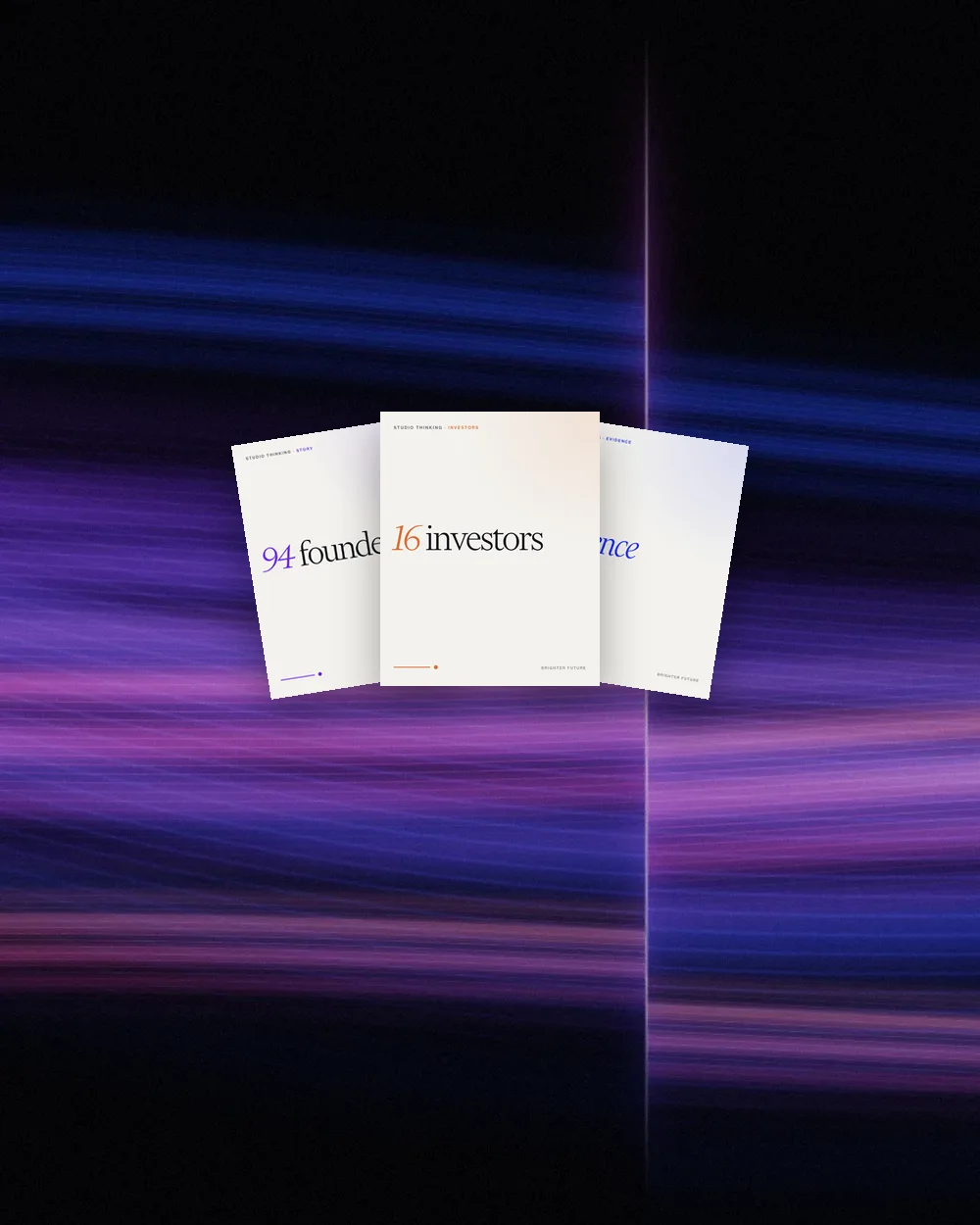 03
03 04
04Biotech stories stall when they follow the lab's order
Biotech teams know their mechanism in depth, and they tell the story in the order they discovered it. The people who fund and buy the work start somewhere else. Investors start from the size of the opportunity and the risk. Buyers start from their own supply, cost or performance problem.
Four patterns recur in our biotech work.
Where the story sat and where it moved
Lead with what the buyer pays for
The product carries the story
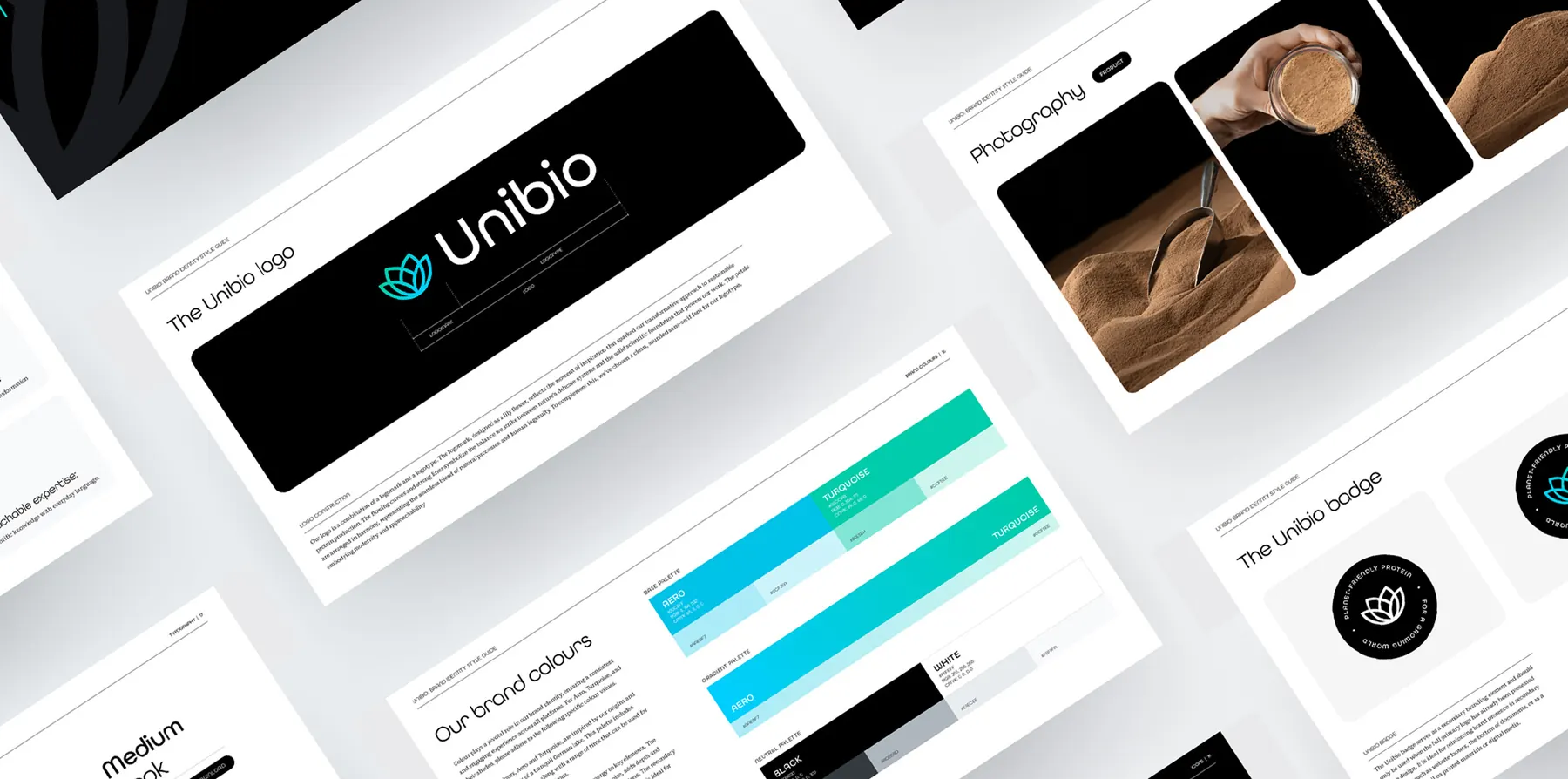
Unibio had a technical story that reached scientists and lost investors, feed producers and partners. We repositioned the company around its protein and explained gas fermentation through its practical use in protein production. The line was "Lead with protein. Let the technology prove it."
The technology defends the opportunity
Some investors were wary of companies that lead with fermentation or alternative protein. The technology stayed in the Koralo story and moved down the order. It now explains why Koralo can deliver the ingredient and why others will find it hard to copy.
Platform companies need a platform story
Platform companies often pitch as single-product bets. Aspyre opened its early decks on cheese, and investors read a plant-based dairy company. The founders were building a protein platform for food producers.
The positioning took four versions between August and October 2025. Each moved the opening closer to the buyer's problem. The final deck led with Rubisco as the entry point and casein as the larger opportunity. The environmental case became a supporting benefit.
When the product changes mid-raise
Science moves during a raise. Koralo set out to make a fish alternative and found a larger functional ingredient opportunity inside the same technology. Its July 2025 deck carried four propositions at once.
We kept the seafood chapter as the route to the discovery. Building the product gave Koralo manufacturing knowledge, customer conversations and early evidence of bioactivity. With that causality in plain sight, an investor can follow each step from the first product to the larger opportunity.
Sequence the evidence to match the claims
Biotech companies hold several kinds of proof. Put all of it in the first meeting and the argument gets buried. For Koralo we ordered five kinds of evidence, market, commercial, scientific, technical and operational, so the proof gets more specific as the claims do.
Diligence carries the proof behind each claim, and the data room lets the investor verify it.
Claim what the data supports
DNAir's founders kept every claim inside the evidence. Lines that promised early warning, or described data the sensors had yet to collect, came out of the pitch script. At the >>venture>> 2025 final, the jury wanted more field evidence than a company a few months into its first pilots could show. The story earned the room's attention, and the next stage needed field data. Our guide on technical evidence and impact claims covers the discipline.
One story from teaser to data room
We write the full investor story first and cut the shorter materials from it. Aspyre's teaser came from the same source as its 32-page deck, so the figures and claims match across both. For Koralo, one argument runs through the teaser, the meeting, the full deck, diligence and the data room. Koralo later told us it used the shorter investor story for most of its conversations.
Identity for a science-led company
A biotech identity has to carry data, diagrams and technical claims as well as a mark. The DNAir wordmark splits at the centre of the A so it reads as DNA and Air at once. The founders wanted to stand apart from the greens common across nature tech, so the palette pairs purple with dark teal. For Unibio, we built an identity for the company's move into industry applications. Newform Foods, a cultivated meat company, commissioned brand strategy, identity, a pitch deck, a press release, 3D rendering and a website.
Check the problem before rebuilding the story
A clearer story helps when investors or buyers misread the company. Missing trial data, unproven economics or an early product need technical or commercial work first. When it is unclear which applies, start with the Belief Gap Diagnostic on Aaron C. Leaman's site.
Relevant work
Unibio has since formed a joint venture to develop what it describes as the world's largest single-cell protein plant. DNAir's site still leads with the same line, and the company has since joined programmes including ESA BIC Switzerland. Aspyre came away with a website, deck and teaser that tell one platform story. Science Storytelling and Investor Storytelling set out the wider method.

Frequently asked questions
Should our pitch lead with the technology or the product?
Lead with the opportunity the buyer or investor pays for. Bring the technology in as the evidence and the defence. Unibio and Koralo both moved their technology down the order and kept it in the story.
Our product focus changed during the raise. Can the story change with it?
Yes. Koralo changed mid-raise. We kept the original product as the route to the discovery, so investors could see why the company moved.
Can you work with confidential scientific data?
Yes. For Koralo, the scientific and nutritional material stayed confidential, and the public case study shows how it was organised and leaves out what it says.
How do you work with our scientists?
We build the explanation with them. At Unibio, workshops with the CEO, COO, CTO and leadership team set direction, vision, mission and values before the story and identity work began.
How much does biotech brand or investor narrative work cost?
Fees depend on scope. An investor narrative and deck and a full brand with identity and website are different pieces of work with different fees. Scope, responsibilities, outputs and fees are agreed before work begins.
Related guides
By Aaron C. Leaman, founder of Brighter Future Studio. Published 29th September 2026.