 01
01
 02
02 03
03 04
04Science storytelling gives technical work a reason to matter
Science storytelling shapes technical work into a narrative with stakes, a turning point and a consequence, so the people who fund, buy and partner with it care what happens next and know what to do. We build it with the scientists who hold the substance and keep every claim as accurate as the evidence allows.
Two ways a technical story breaks
Lead with what the science makes possible
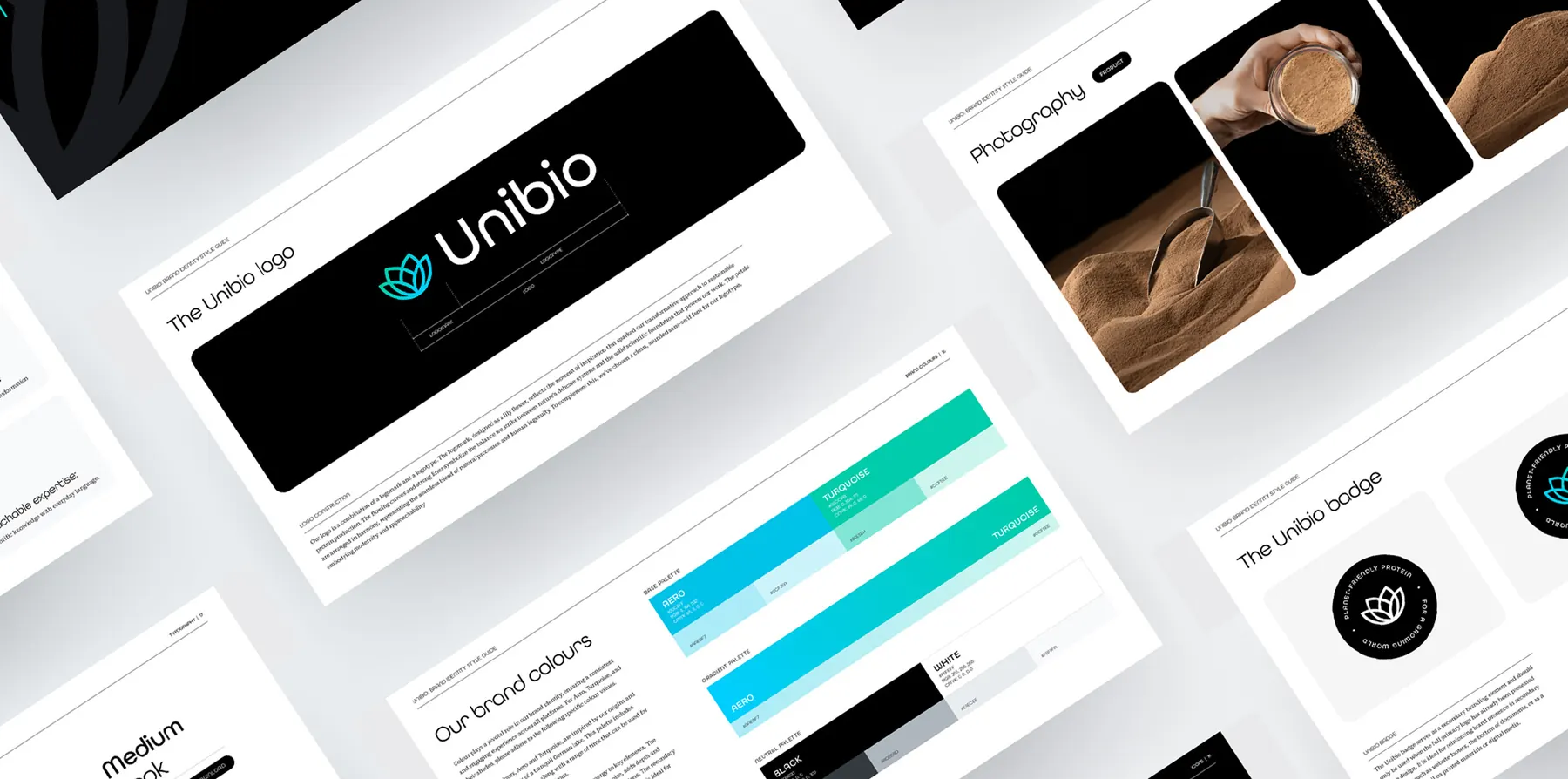
We repositioned Unibio, a gas fermentation company, around its protein product. The direction came down to one line, "Lead with protein. Let the technology prove it." The narrative puts the product in front of investors, feed producers and partners first and brings in fermentation as the reason to believe it.
Every technical company holds that kind of meaning inside its science, in the problem the mechanism solves and the change it allows. We find it and give it an order, so every line traces back to the evidence.
One set of facts, two narrative arcs
Two arcs from one set of facts
Scientists
- 01Question
- 02Method
- 03Result
- 04Limitation
Investors, buyers and partners
- 01A problem they recognise
- 02Its consequence
- 03What the work requires of them
A reviewer reads any story that skips the scientific steps as a sales pitch. Commercial readers meet the method as evidence, at the point where they start to doubt. We write the core narrative in the commercial order and build the technical arc as a route a reviewer can join from any point. Both use the same claims, numbers and terms, so a buyer and a scientist describe the same company afterwards.
Evidence and stage of proof shape the plot
We sort every claim by what supports it. Independently verified results come first, then field and pilot data, laboratory results, modelled outcomes and hypotheses. The turning point of the story rests on the evidence highest in that order.
Open questions, told plainly, become the tension that moves the story forward, the thing the next pilot, plant or funding round exists to answer. Investors and technical buyers look for the edge of a team's knowledge, and a story that shows it leaves them less to uncover in diligence.
We build the explanation with the scientists
How we build it
- Interview for the reasoning
We ask the people who did the work about the problem they saw, the choices they made and the results that changed their minds. At Unibio that meant workshops with the CEO, COO, CTO and leadership team.
- Follow one thing through the process
We follow something the audience already cares about through the mechanism, protein at Unibio, so each step arrives with a purpose and the full process stays in.
- Keep the exact term
A vague synonym removes the precision a specialist needs, so we keep the exact term and define it once where it first matters.
- Check it with the scientists
We ask whether the finished story still sounds like their work.
The same habit of listening built our Library of 110 founder and investor interviews, published since 2022.
The six stories inside a technical company
We build a company's origin, purpose, vision, customer, product and impact stories separately, as set out in the six-story guide. Technical companies bend them in two predictable ways.
The team knows the product story best, so it grows until origin, purpose and impact sit inside a description of the mechanism. We pull them apart again.
The customer and impact stories are often the thinnest, and commercial audiences need them most. The customer story describes the pressure the buyer is under. The impact story shows what has changed, with measured change kept apart from modelled change.
Film and visual storytelling
Aaron C. Leaman's background includes film. Film carries the setting, people and stakes of technical work. We settle the narrative first, then choose the form for each part. For Climate Blueprint, a documentary series about climate resilience, the work ran from the key visual, poster and film elements to an investor presentation and website.
Check the problem before building the story
Storytelling helps when the science is sound and the audience loses the thread or the reason to care.
Signs the story is the first break
- The team describes the company in different ways.
- Technical reviewers approve the material and commercial readers drift off early.
- Investors repeat the mechanism back to you and miss why it matters.
When the cause is unclear, start with the Belief Gap Diagnostic on Aaron's site. What to Fix Before You Rebrand a Science-Led Company covers the causes a new narrative leaves in place, such as missing evidence, unproven economics or a mandate mismatch.
Relevant work
After repositioning Unibio, we built its visual identity and a website around education, partnerships and investment. For Kanop we developed investor storytelling and presentation design explaining its forest intelligence technology and investment case. For Gaia AI we handled website design, development and storytelling for its forest intelligence tools, aimed at commercial audiences. For DNAir we created the identity, landing page and storytelling. More sits in the work overview.


Frequently asked questions
How is science storytelling different from science communication?
Science communication makes evidence legible, so a reader can find and check what is true. Science storytelling builds the narrative around that evidence so the reader cares and acts. Our science communication page covers the first.
Can we tell a story before our science is proven?
Yes. The stage of proof becomes part of the story. We state what is established, what is under test and what the next milestone is designed to answer, and the vision stays labelled as vision.
Do you make films for technical companies?
We create film elements and visual storytelling as part of a wider piece of work. Motion specialists join the team when the story needs them.
Related guides
By Aaron C. Leaman, founder of Brighter Future Studio. Updated 27th September 2026.