 01
 03
 04
 05
Fronterra
Make the track record visible.
After the work, board members and investors described Fronterra’s new investor materials as some of the strongest pitch material they had seen.
Clients come to us for a strategy, a marketing plan, an investment case or a brand. Often the problem sits upstream, with who has to say yes and what they need to see. We start there, then build what the work needs.
Most engagements draw on more than one.
WhenA decision has stalled, or the case works for one audience and stalls with the next.
Find what is holding the decision back, map who has to say yes and what each of them needs to assess, then build the case they can act on.
Includes
WhenThe work has moved on, the audiences have multiplied, or each team explains it differently.
Find the position, proposition and argument the work needs before anything is built.
Includes
WhenA buyer wants it, and procurement, finance, sustainability or the board still have to say yes.
Choose the buyers who matter most, build the case each of them has to carry inside their company, and make the offer easy to sign. One priority segment at a time, as one piece or as a programme of pieces in the order you set.
Includes
WhenAn investor, funder, grant committee, partner or board has to decide, and the case has yet to land.
Shape the argument, put the evidence in the right order and design the material for the room where the decision happens, from a raise to a programme that needs an industry to act. Every figure is sourced and the limits of the evidence are stated.
Includes
WhenThe company has changed and the name, identity or voice still describe the business it used to be.
Translate the strategic change into a name, identity, voice and system the team can use as it grows.
Includes
WhenInvestors, customers and partners arrive at the same site and each needs a different way into the work.
Plan, write, design and build sites that help each audience understand the offer and take the next step.
Includes
WhenSomething goes public on a fixed date, or leaders need to carry the story into rooms beyond the website.
Build the launch narrative first, then carry it through press, partners, leadership voices, events and the months that follow.
Includes
Across the studioConsulting · Diagnosis · Strategy · Research · Storytelling · Writing · Design · Digital · Launch
The first step decides what the other two are for.
Understand the problem
Map the decision, who has to act on it and what each person needs to assess. If the cause of a stall is unclear, The Belief Diagnosis finds it in one to three weeks.
Build the case
Shape the proposition, evidence and argument into one case. Then work out what each audience needs to see in it.
Carry it through
Turn the case into the brand, platform, pitch or launch the work needs. Keep it consistent everywhere it has to land.
The request is useful. We look at what sits underneath it before deciding what to build.
When the organisation has outgrown how it is seen, we can run the whole transformation.
Unibio, Fronterra, ERS and Fair Carbon each ran this way.
Fronterra
Make the track record visible.
After the work, board members and investors described Fronterra’s new investor materials as some of the strongest pitch material they had seen.

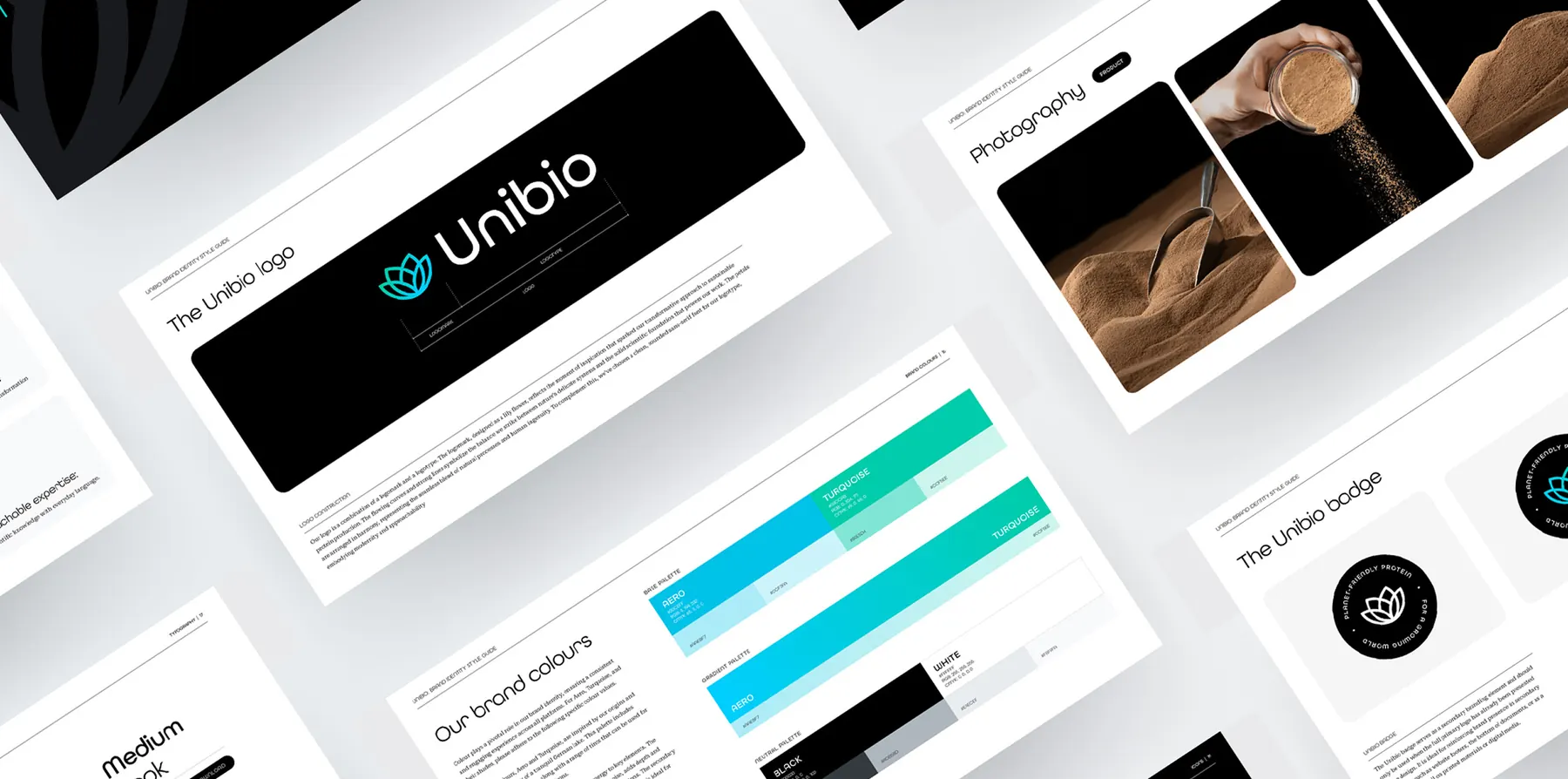
Unibio
Lead with protein. Let the technology prove it.
Read the case study“This process evolved into a bold new identity and digital experience that perfectly captures and expresses Unibio. The results have exceeded our expectations, and we are very pleased with the outcome.”
David Henstrom, CEO, Unibio
ERS
From an initiative to a standard.
Read the case study“The rebrand was a game-changer. As a young company interacting with large corporates, building credibility was absolutely key to our business. Fortunately, Brighter Future went deep. Really deep.”
Thibault Sorret, Founder and CEO, ERS

Eeden
Make the next yes easier.
Read the case study“Brighter Future’s pitch development work directly contributed to our success in securing a major Letter of Intent with one of the world’s leading fashion brands.”
Steffen Gerlach, CEO, Eeden
Bring us the problem. On a first call we work out where it sits. If a decision has stalled and the cause is unclear, The Belief Diagnosis finds it in one to three weeks.
Yes. The strategy sets who the plan is for and what each buyer needs to believe. Then we build the plan one priority segment at a time, with the platform and materials each approach needs. That can include named-account strategy, buyer presentations, offtake and reservation offers and proposals. See Buyer & Commercial Cases.
Yes. One deck, one buyer presentation or one landing page can be the first engagement. Larger work runs as a programme of pieces at one fixed fee, and you set the order they are made in.
It runs both ways. On its own it is The Belief Diagnosis, a read of your material and public record that finds where the decision stops. Inside a project it runs through each stage. We analyse the evidence, develop the narrative, then write and design, and every piece starts from who receives it, when, and what they have to decide.
Every figure is sourced and the limits of the evidence are stated where they apply. Your experts keep control of the technical claims and sign them off. Where a question needs a specialist or counsel, we say so.
Senior strategic leadership stays involved throughout. We bring in trusted writers, designers, developers, motion specialists and science communicators as the work needs them.
Per project. After the first call you get a written scope with the deliverables, the timeline and a fixed fee. We sign an NDA before anything is shared if you need one.
The Belief Diagnosis takes one to three weeks. Other work is scoped to the decision and the date it has to meet, and the timeline is in the written scope before anything starts.
Within two working days.
In the UK and Switzerland, working with clients across Europe and beyond.

Who leads it
Aaron C. Leaman leads each engagement, from the first call to the finished material. More about Aaron