 01
01 02
02 03
03 04
04 05
05Sections
A rebrand reaches its final approval meeting. The team has agreed the audience, built the positioning and worked through the identity. Then a senior colleague asks whether the company should be addressing a different market altogether.
The comment arrives as feedback on a presentation. Underneath, it is a strategy question, and it has turned up after all the work that depended on the answer.
The colleague may have spotted a real problem. The hard part is working out what kind of problem it is, who has the authority to resolve it and what the answer means for the work already done.
“Design by committee” is the usual name for this, and it hides the real issue. Companies need input from people with different responsibilities. Technical accuracy, commercial sense, financial limits and creative judgement all matter. The process needs a way to use those contributions without treating every comment as an instruction to change the design.
Separate the decisions before assigning the people
A rebrand holds several decisions that deserve different owners.
The business chooses the market it means to serve and the objective of the work. The strategy sets the position, the audience and the evidence the brand has to express. Specialists check that the claims are accurate. The creative team develops the verbal and visual response. Someone with the right authority approves the final work and the resources to put it into use.
In a small company one person may hold several of these. In a larger one they sit across functions. Either way, write them down.
The arrangement below is a practical starting point. Adapt it to the organisation.
| Decision | Accountable owner to name | Input the decision needs |
|---|---|---|
| Business objective and any material change of direction | Executive sponsor with the necessary authority | Leadership, commercial evidence and operational constraints |
| Positioning, priority audience and approved brief | Named project lead within an agreed mandate, with sponsor approval where required | Customer insight, leadership, strategy and sales |
| Technical, environmental and other factual claims | Relevant subject expert, with the project lead recording the outcome | Source evidence, test conditions and specialist review |
| Verbal and visual development within the brief | Creative or brand lead | Strategy, accessibility, technical requirements and user feedback |
| Launch approval and ongoing ownership | Named approver, then a named internal brand owner | Completed reviews, delivery readiness, training and maintenance needs |
Each role comes with a scope. Owning the budget does not make someone the owner of the typography. Owning the design does not give someone the right to soften an awkward technical limitation.
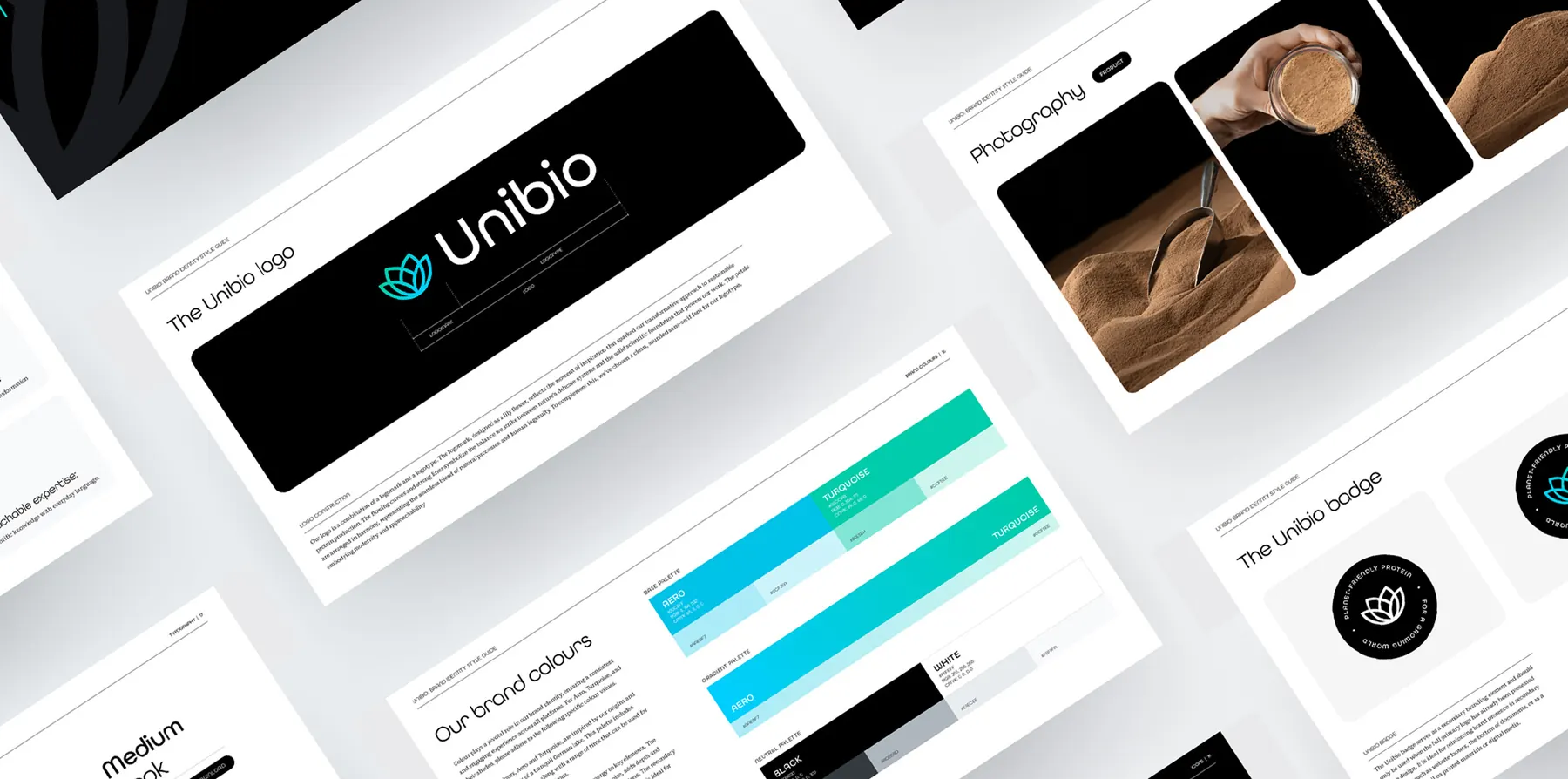
Our Unibio case study began with workshops with the CEO, COO, CTO and leadership team to set direction, vision, mission and values. Those disciplines raised different questions while the direction was still being set, before any design depended on the answers.
Give the project lead a mandate they can use
The project lead needs more than the job of collecting comments. They need to know which decisions they can make, which need approval and where an unresolved disagreement goes.
Agree that mandate at the start. Record the objective, scope, budget, decision owners, approval stages and the circumstances that would reopen an earlier choice.
The team then has a shared reference when a new request arrives. A comment that changes the audience, the proposition or the intended market affects the brief. A comment that improves how an agreed position is expressed can be handled inside the current stage.
The project lead can then explain what a change would cost, instead of relying on personal persuasion to protect the schedule.
Review the work against criteria people have already accepted
A final presentation is a bad moment to discover that stakeholders have been judging by different standards.
Before creative development, agree what the work has to make easier. That might be helping a buyer identify the product, making the company’s stage clear, improving navigation for two distinct audiences or giving the sales team material it can adapt without changing the underlying claims.
Use those criteria in every review. Ask what a proposed change improves, what evidence supports it and what it might make harder elsewhere.
Personal reactions can still point to a real problem. “This feels too corporate” gives a designer nothing to act on, but it may signal a genuine mismatch. Ask which feature creates the impression, which audience it affects and what the stakeholder expects to go wrong. The conversation then has something concrete to examine.
Tell a factual correction from a strategic change
Suppose the new homepage describes a technology as ready for commercial deployment, and the technical lead points out that the evidence comes from a demonstration plant with another validation stage still to go.
That is a substantive correction. The claim has to change, even if the team prefers the shorter headline.
Now suppose the same reviewer wants the homepage to open with the mechanism, because that is the most technically interesting part of the company. The question becomes whether that order serves the agreed primary audience. The reviewer’s expertise still counts, and the decision also needs evidence about the reader and the job of the page.
Finally, suppose a new customer interview shows the agreed audience is wrong. That can justify reopening the strategy itself. A well-run process leaves room to respond to evidence, so an approved decision is a starting point the team can revisit for good reason.
All three can arrive as comments in the same document. Sorting them correctly lets the team respond at the right level.
Bring disagreement into the room while it can improve the work
Collecting ten sets of comments separately hides the conflict until someone tries to apply them. One person wants more detail, another wants less, and nobody has weighed the reasons against each other.
When a disagreement affects a shared decision, hold a review meeting. Put the evidence and options in front of the people who can resolve it. Ask the accountable owner to decide and record why.
The record can be short. Note the question, the options considered, the choice, the owner and what would make the team revisit it. That is enough to stop the same debate restarting when someone new joins a later meeting.
Bring in specialist review early. A launch gets hard when a legal, technical or accessibility concern surfaces only after every other decision has set around it.
Make approval specific
“Everyone is happy” is a loose definition of approval. Say which part of the work has been accepted and which questions are still open.
Approving the positioning should fix the source for the next stage. Approving a visual direction should fix which system is being developed. Approving launch should mean the content, claims, technical checks and ownership arrangements are ready.
If the scope changes, show the effect on time and cost. Leadership can then make a real choice about whether the change is worth it, instead of revisions piling up with their consequences out of sight.
Someone needs final authority, because someone has to settle trade-offs. That authority works best when the person can explain the decision in terms of the agreed objective and the evidence.
Decide who owns the brand after launch
The questions keep coming after the agency hands over the files. A new product needs a page. Sales needs a different presentation. A new colleague needs to understand why the company describes itself the way it does.
Name the person who maintains the source materials, approves new claims and decides when the system needs attention. Give them working files, guidance and examples that match the tasks their colleagues actually do. Our piece on keeping your brand useful after launch goes further on this.
A useful rebrand leaves the organisation better at making ordinary decisions. If every new document needs another argument about who the company is, some of the underlying choices are still unresolved.
Before your next review meeting, write down the decision the meeting is meant to make and the person who can make it. Then invite the people whose expertise will improve that decision. That one change makes the feedback far more useful.
Preparing a rebrand with several stakeholders? Brighter Future’s brand strategy and identity work connects the brief, the decision process and the creative work from the start.
Related reading
- A Rebrand Can Look Good and Still Fail
- How to Launch a Rebrand Without Fragmenting the Story
- What Is Brand Strategy for Climate Tech?
First published 1 May 2024 and combined with the design-by-committee article of 12 October 2024. The decision structure is a recommendation to adapt, since no single approval model suits every business.
Tell us what needs to move.
Bring the brief if it is clear. If it is unclear, tell us where the work is stuck.
Bring us the problem