

The Belief Gap Diagnosis

Find where the case stops moving before you rebuild it.

For evidence-heavy companies facing a consequential investor, customer, partner, board or institutional decision.

When a decision should be moving and isn’t, we find the First Break, the earliest point where the case stops carrying evidence into a defensible decision.

  • ScopeOne live decision
  • TimeTwo to three weeks
  • OutputA Written Diagnosis

The recurring problem

The evidence can be sound. The decision can still stall.

A company can have serious technology, a real market, credible partners, strong validation and interested investors.

And still struggle to turn that evidence into a decision.

The instinct is to add more.

  • More slides
  • More evidence
  • More explanation
  • More investor outreach
  • A new website
  • A new story

But the problem may sit somewhere else.

If we do not know where movement first stops, we risk spending time and money fixing the wrong thing.

The first job is diagnosis.

The model

Evidence is not belief. Belief is not yet a decision.

The belief gap is the distance between sufficient evidence and a decision somebody can defend. Evidence has to survive three crossings to close it, into clarity, conviction and commitment. The Diagnosis finds the earliest point where movement stops. We call it the First Break.

The sequence is an order for diagnosis. People rarely move through a decision in four neat stages, and a later state can reach back and change an earlier one.

The wrong diagnosis produces the wrong intervention.

An intervention later in the chain cannot repair an unresolved break earlier in it. Choose a stage to see what a break there looks like.

When conviction breaks

They follow the case and still doubt one step in it.

What to fix first

Resolve the leap the decision-maker is still being asked to make.

Before you spend money and months rebuilding the wrong thing, find out what actually failed.

Based on The Belief Gap Report 2026 by Aaron C. Leaman, published by Brighter Future. It brings together peer-reviewed research, institutional evidence and documented practice, and sets out how the method could be tested.

Reality first

Before we diagnose a communication break, we check whether the decision can happen at all.

A stalled decision may be stalled for a rational reason. Before analysing the story, we test whether the underlying case is viable against six conditions.

  1. Evidence

    Is the proposition sufficiently proven for the decision being requested?

  2. Economics

    Do the numbers work once ambiguity is removed?

  3. Incentives

    Does acting serve the people whose agreement is required?

  4. Authority

    Has the case reached somebody who can actually make the decision?

  5. Capacity and timing

    Can the organisation absorb the decision now?

  6. Regulation

    Is the proposed action possible under the relevant rules and conditions?

Only when reality passes do we diagnose communication.

If a gate fails, that becomes the work. Better communication cannot manufacture the missing condition, and we say so.

The starting point

One live case. One consequential decision.

Investment roundPartnershipOfftake agreementBoard decisionProcurement commitmentStrategic approval

We work backwards from the person or group who has to say yes.

What does this decision-maker need to understand, believe and be able to defend before they can move?

  1. What is already proven.
  2. What the existing case asks them to infer.
  3. Where evidence is strong but badly assembled.
  4. Where the argument remains insufficiently credible.
  5. Where conviction exists but commitment is blocked elsewhere.
  6. The First Break. It determines what the Prescription covers.

Reconstruct the case

We look at the case they actually see.

What you say

  • Deck
  • Teaser
  • Website
  • Proposal
  • Memorandum
  • Board material

What proves it

  • Technical
  • Commercial
  • Scientific
  • Market
  • Financial evidence
  • Pilots
  • Milestones

What has happened

  • Feedback
  • Objections
  • Follow-ups
  • Correspondence
  • Outreach

Who has to move

  • Leadership
  • Decision owner
  • Investor
  • Buyer
  • Partner
  • Board

We are not looking for more material for its own sake. We are looking for the point where the existing material stops doing its job.

See the full intake list

What you sayCurrent investor or buyer deck. Teaser or one-pager. Website pages that carry the case. Proposals, memoranda and board papers in use.

What proves itTechnical and scientific results. Pilot and validation data. Commercial evidence such as letters of intent and contracts. Market and financial models. Milestones reached.

What has happenedExisting investor or buyer feedback. Objections and follow-ups. Investor or customer correspondence. Outreach so far and where it stalled.

Who has to moveFounder or leadership context on the decision. The decision owner, and any board, committee or partner whose agreement is needed. Targeted written clarification where needed.

What a Diagnosis looks like

A First Break, on paper.

Three parts, one Written Diagnosis. The Diagnosis finds where the case stops and for whom. The Map shows what the decision rests on. The Prescription says what to do about it.

Brighter Future

Written Diagnosis

  1. 01 · The DiagnosisWhere the case stops and for whom.Decision, decision owner, crossing trace, the First Break
  2. 02 · The MapWhat the decision rests on.Critical beliefs, evidence against each claim, gaps, mis-sequencing
  3. 03 · The PrescriptionWhat to do about it.What changes, what stays, what comes first, recommended Phase II
Belief Gap Diagnosis · worked exampleIllustrative composite · no client data
Decision
Fund the next 24 months of development.
Decision owner
Lead partner, then committee
Belief trace · critical beliefEvidenceBreak
A meaningful market exists at scaleProven
The first application is the right wedgePartialFirst Break · conviction
Validation materially de-risks scale-upPartial
The team can execute the programmeProven
This round reaches a fundable milestoneAssumedNeeds work

First Break

The case establishes market and technical credibility, then asks the investor to infer how this programme changes the risk of the wider platform.

Prescription

Rebuild the argument for the first application, with validation evidence beside each claim. Leave the market section as it is.

Each critical belief is ratedProvenPartially evidencedAssumedMissingMis-sequenced

Patterns from live cases

Different breaks need different answers.

The Diagnosis formalises a pattern we have used repeatedly across real investor and customer decisions. These three cases show three different breaks.

Eeden · chemical textile recyclingCommitment break

The technology convinced. Commitment was the break.

The buyer already believed the technology could matter. The commercial case had to resolve why act now and how to make the first commitment lower-risk.

  1. BuyerObjections mapped first.
  2. RegulationThe decision was coming anyway.
  3. Supply gap60% recycled-fibre shortfall projected by 2030.
  4. Moving firstEarly access to capacity.
  5. Low-risk stepA Letter of Intent in place of a full contract.

Eeden secured a major Letter of Intent with a leading fashion brand.

“Brighter Future’s pitch development work directly contributed to our success in securing a major Letter of Intent with one of the world’s leading fashion brands.”

Steffen Gerlach, CEO, Eeden
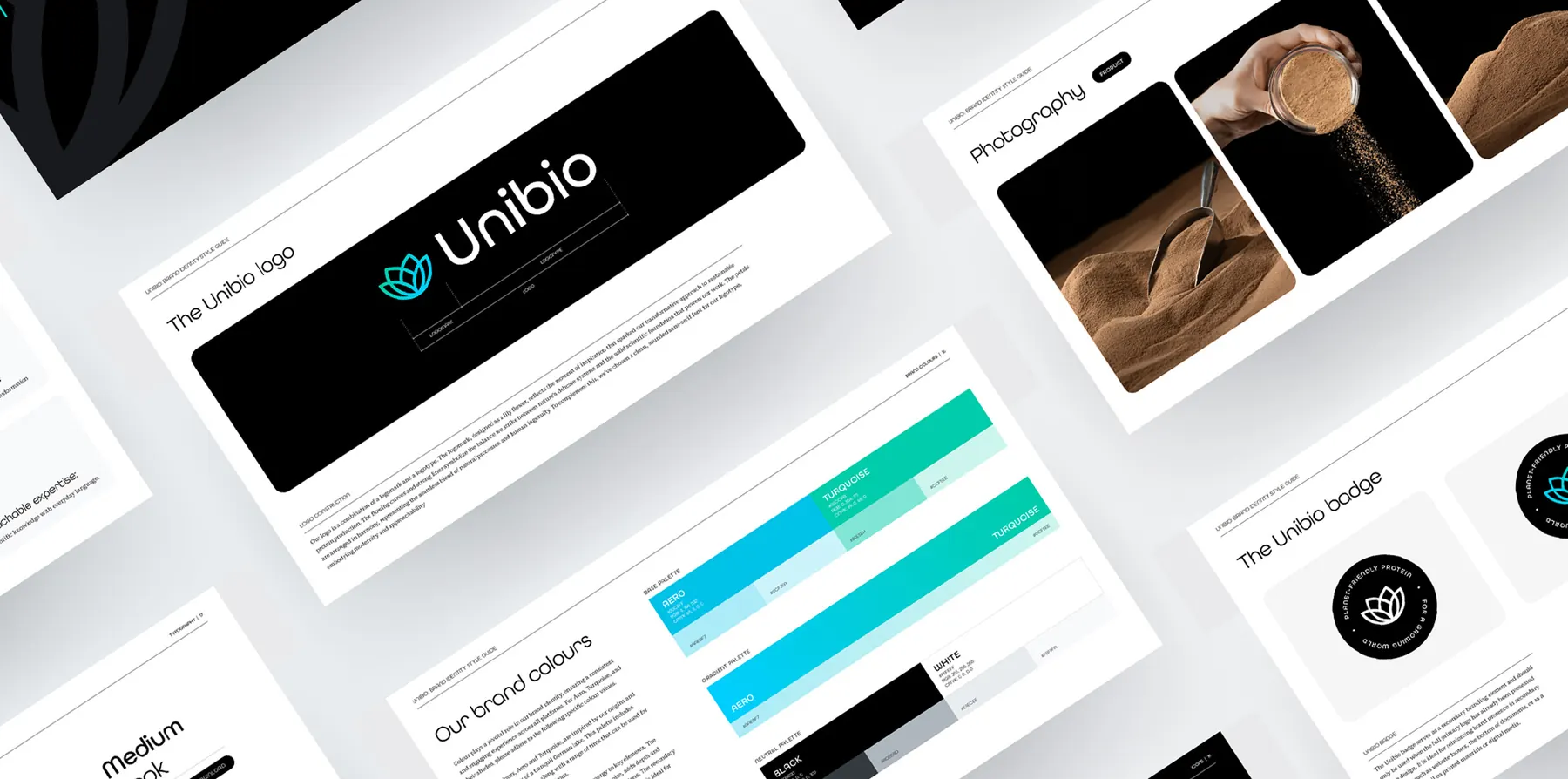
Unibio · gas fermentation proteinClarity break

Lead with the product. Let the technology prove it.

BeforeTechnology first
AfterProtein first→Market and opportunity→Technology as proof

Later company milestone, shown for context rather than attribution. $373m JV commitment announced, March 2026.

“His ability to refine and sharpen our message and communicate our story has been invaluable.”

David Henstrom, CEO, Unibio
Koralo · food technologyConviction break

When the opportunity changes, the investor story has to change with it.

Before, a fish alternative and functional ingredients competed in the same deck. We rebuilt the causal path so one opportunity led to the next.

BeforeFish alternativeFunctional ingredients
PathProduct→Technical and manufacturing learning→Customer evidence→Larger opportunity→Technology explains defensibility

The common thread

Existing evidence became easier to understand, evaluate and carry into a decision.

Why us

Close to the decision.

Brighter Future works where evidence has to become a decision in three settings.

Practice

Live investor, customer and partnership cases from diagnosis to finished material.

Research

The Belief Gap research programme and more than 100 published founder and investor conversations.

Rooms

The Decision Room, the closed-door capital convening Aaron co-founded in Zürich.

The person who diagnoses the case stays close while the answer is built.

Aaron C. Leaman

Who leads it

Aaron C. Leaman leads each Diagnosis, from the intake to the final working session.

What actually happens

Two to three weeks, from live case to Prescription.

  1. Week 1

    Understand the decision

    • IntakeWith you
    • Decision sessionWith you
  2. Week 2

    Diagnose the break

    • Reality-gate analysis
    • Belief and evidence mapping
    • Narrative analysis
    • The First Break
  3. Week 3

    Turn diagnosis into action

    • Written Diagnosis
    • Prescription
    • Final working sessionWith you

Typical durationtwo to three weeksThree points of involvementintake, decision session and final working sessionMost of the work happens off your calendar.

The Full Belief Gap Diagnosis

One fixed fee. One live decision.

2–3 weeks

One live decision. One fixed-fee engagement, scoped to the decision and the depth of evidence behind it.

Decide what deserves to be built before money is spent building it.

Intake

Agreed materials, one decision session and the decision trace.

Diagnosis

Constraints, beliefs, evidence and the First Break.

Findings

Written Diagnosis, priorities, Prescription, Phase II recommendation and final working session.

If the Diagnosis moves directly into a Brighter Future engagement of £10,000 or more, the Diagnosis fee is credited against it.

The Belief Gap ReviewFor a tightly defined case, the Review applies the same method as a focused five-day read. If the Review is enough, we will say so. Bring us the case

Questions

Before you bring the case.

Is this only for fundraising?

No. The method can be applied to investor, customer, partnership, board, procurement and strategic decisions.

What if the story isn’t the problem?

Then we say so.

The Diagnosis can conclude that evidence, economics, incentives, authority, capacity or timing, regulation, or another underlying condition needs to change before communication does.

Do you rebuild the deck or website as part of the Diagnosis?

No.

The Diagnosis determines whether those interventions are actually required.

Where communication is the intervention, Brighter Future can scope Phase II separately.

How much material do you need?

Enough to reconstruct the case currently reaching the decision-maker.

We will specify the relevant materials during intake rather than asking for everything by default.

How long does it take?

Typically two to three weeks.

Is what we share kept confidential?

Yes. Everything you share stays confidential, and we will sign an NDA before intake if you need one.

The Belief Gap Diagnosis

Find the break before you build the fix.

Bring us the case that should be moving and isn’t.