 01
01 02
02 03
03 04
04Sections
A concise synthetic biology seed deck can fit the core case into roughly twelve slides. The sequence should move from the product and buyer to the science, data, path to scale and ask. The organism, the strain work and the platform all belong in the deck. They sit in the middle, where an investor who already understands what the company sells wants to know why it can be made better, cheaper or at all.
Seed investors in synthetic biology are judging two things at once. They want to know whether the biology works and whether anyone will pay for what it makes. A deck that answers only the first reads as a research proposal. The structure below keeps both in view.
1. The product and who buys it
Open with what the company makes and for whom. A protein for feed producers, an enzyme for detergent makers, a dye for textile mills. One sentence and one image. The investor should be able to repeat it to a partner.
2. The problem the buyer has today
Describe the buyer's current cost, supply risk, performance gap or regulatory pressure. Use their language. A food producer talks about functionality, price and supply. A chemicals buyer talks about specification, volume and certification.
3. Why now
Name what changed. Falling fermentation costs, new regulation, a supply shock or a buyer commitment each make a market move. The why-now piece covers how to evidence timing.
4. The solution in the buyer's terms
Show what the product does for the buyer before explaining how it is made. Aspyre Foods presented a protein platform for food producers, with casein as the first proof of what the platform could do.
5. How it works
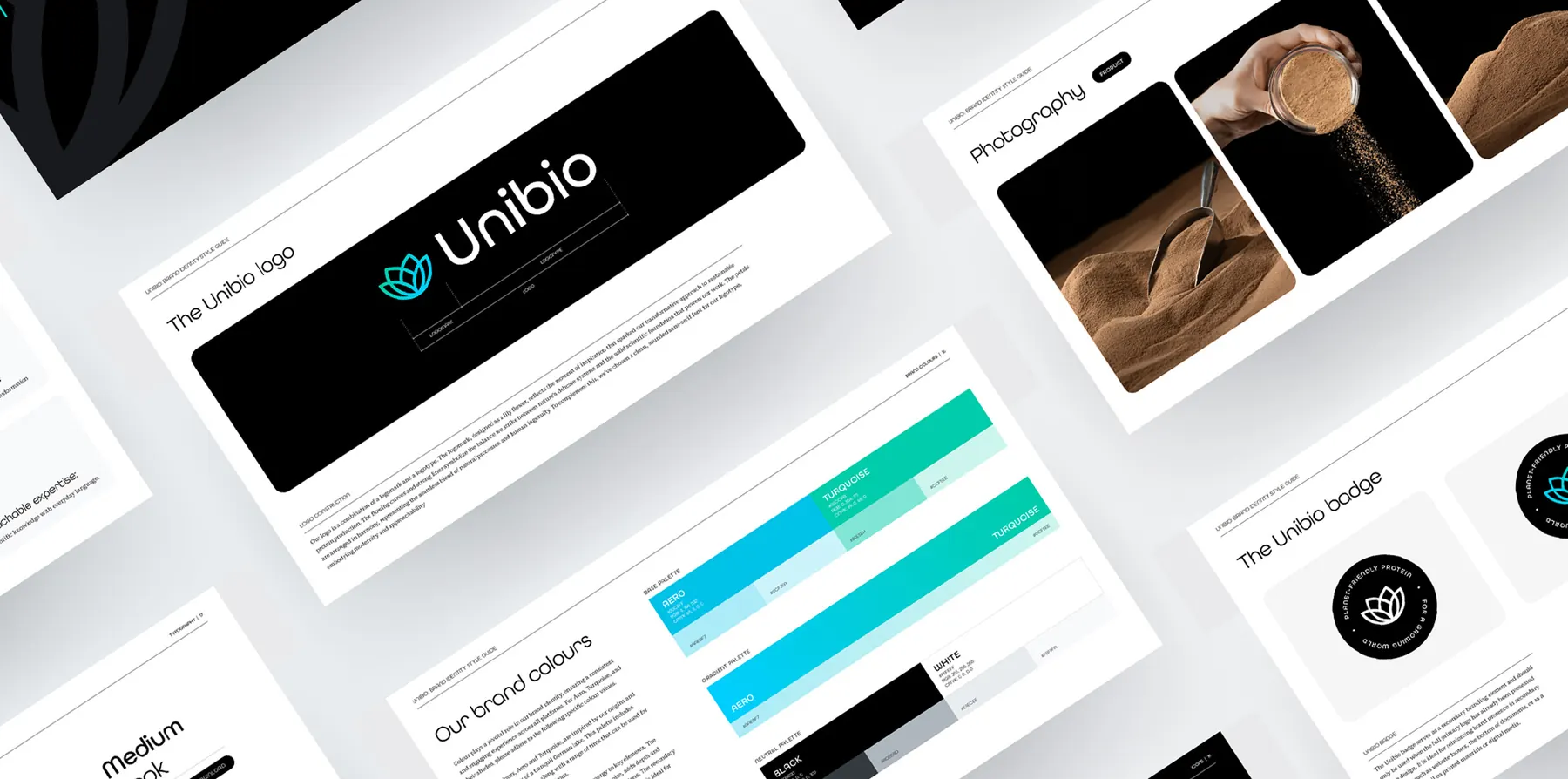
Now the science. Keep it to one slide that shows the organism, the input, the process and the output. Name the advantage the biology creates, such as yield, specificity, a cheaper feedstock or a molecule that chemistry struggles to make. Unibio's gas fermentation became the proof behind its protein at this point in the story.
6. The data
Show the results that matter most to the buyer and the investor. Titre, yield, productivity, purity and functional performance each belong here when they drive cost or quality. Label scale and conditions clearly. A bench result presented as a pilot result will be found out in diligence. Turning technical evidence into a story without overclaiming covers the wording.
7. The path to scale
Set out the steps from current volume to commercial production, the likely partners such as contract manufacturers, and the cost curve along the way. Name which step this round pays for. The biomanufacturing scale-up guide sets out how to present each step as a retired risk.
8. Market and first customers
Size the market from the buyer up, starting with the first segment the company can reach. Letters of intent, paid pilots and joint development agreements give investors direct evidence of customer interest that a large top-down market estimate cannot provide on its own.
9. Business model
Say how the company makes money. Product sales, licensing, partnerships and platform deals each imply different capital needs and margins. Seed investors want to see that the founders have chosen.
10. Regulation and IP
Name the approvals the product needs, in which markets and in what order, and the patents or know-how that protect the position. A short timeline helps.
11. Team
Show the people who can do the biology, the scale-up and the selling. Gaps are acceptable at seed when the deck names them and the plan to fill them.
12. The ask and milestones
State the amount, the runway and the milestones the round will reach. Tie each milestone to a risk from earlier in the deck. The investor should see what the next round will be able to believe.
What to leave for the appendix
Detailed strain engineering, full data tables, techno-economic models and patent claims belong in the appendix or data room. Keep them ready. A seed investor who asks for them is interested, and a clear appendix answers the question without derailing the meeting.
Brighter Future builds seed and Series A decks for synthetic biology, food tech and industrial biotech companies through its biotech branding and pitch deck design work. What a biotech pitch deck needs from the team that builds it covers how to choose that team.
Tell us what needs to move.
Bring the brief if it is clear. If it is unclear, tell us where the work is stuck.
Bring us the problem